Reading in the Dark
4 min read
There is a particular intimacy to reading at night that no other time of day can replicate. The house has quieted. The obligations of the day have released their grip. The world outside the circle of lamplight has softened into shadow. In this liminal space between wakefulness and sleep, the boundary between reader and story thins to almost nothing
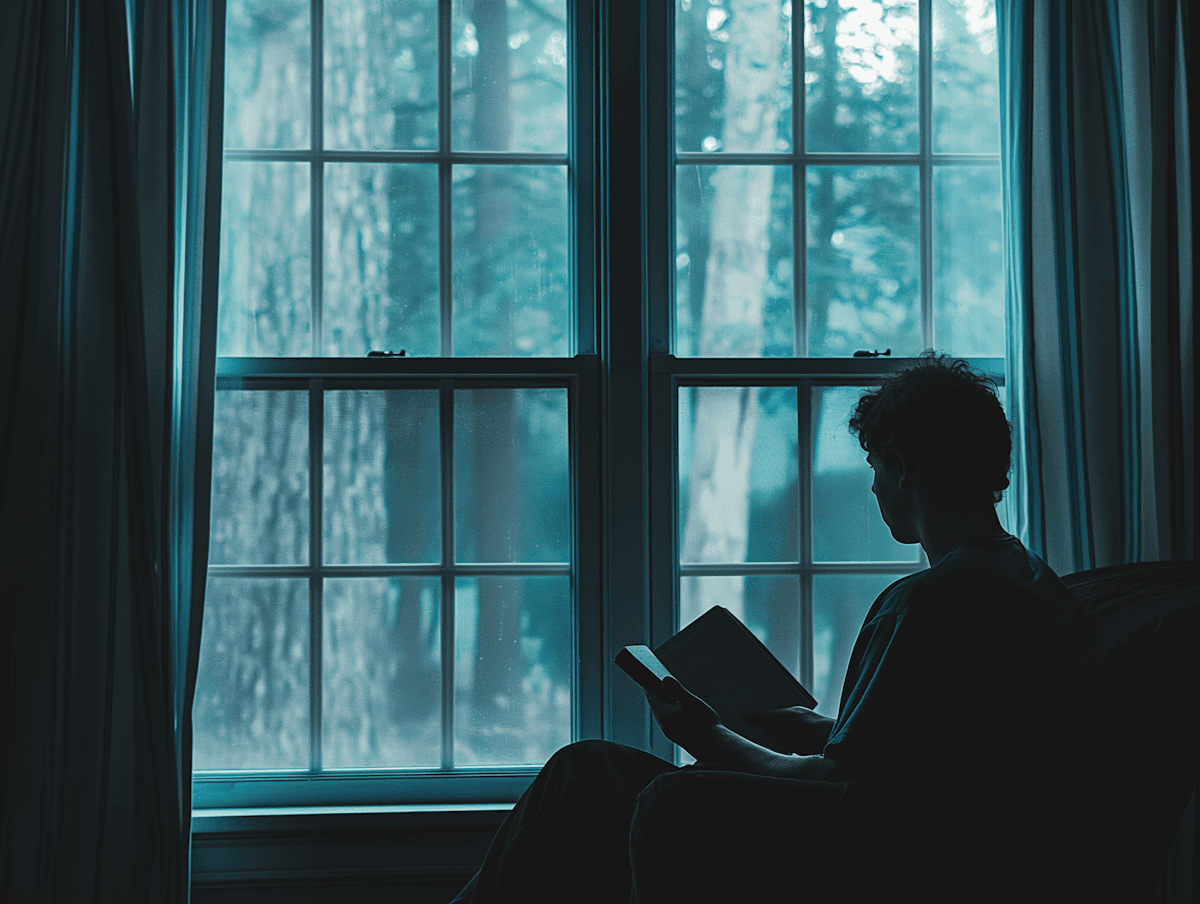
There is a particular intimacy to reading at night. The world outside is quiet. The pool of lamplight narrows your world to the page. It is just you and the words.
Daytime reading is different - brighter, more practical, often interrupted. But nighttime reading has a quality of surrender to it. You are tired. Your defenses are down. The words enter more deeply.
This is why the books that shape us most are often the ones we read late at night, in bed, fighting sleep because we couldn't bear to stop. Those books become part of us in a way that others don't. They enter through the cracks that exhaustion opens.
Margaret Atwood wrote that reading is the sole means by which we slip, involuntarily, into another's skin. At night, that slipping is easier. The boundary between self and story thins. We become the character, inhabit their world, feel their fears.
Keep a book by your bed. Not on your phone - a physical book, with pages you can turn and dog-ear and smell. Let it be the last thing you touch before sleep. Let the story follow you into your dreams.
In a world of screens and notifications, a book at night is a small act of resistance. It says: this hour belongs to me. This imagination is mine. This quiet is sacred.
Previous
Stay in touch
Occasional reflections on mindfulness and intentional living.